
Commercial Auto Insurance Cost Factors Explained sets the stage for this informative discussion, shedding light on the various elements that influence insurance costs for commercial vehicles. From the type of vehicle to external market factors, this guide covers it all in a detailed yet engaging manner.
As we delve deeper into the intricacies of commercial auto insurance costs, readers will gain a deeper understanding of how different factors come into play when determining premiums.
Factors Affecting Commercial Auto Insurance Costs
When it comes to determining commercial auto insurance costs, several factors come into play that can impact the premiums a business may have to pay. Let's take a closer look at some of these key factors:
Type of Vehicle
The type of vehicle being insured is a significant factor in determining insurance costs. Generally, vehicles that are more expensive to repair or replace, such as luxury vehicles or commercial trucks, will have higher insurance premiums. Additionally, the size, make, model, and safety features of the vehicle can also influence the cost of insurance.
Intended Use of the Vehicle
The intended use of the vehicle plays a crucial role in determining insurance rates. Vehicles that are used for business purposes, such as transporting goods or passengers, are considered higher risk and may result in higher premiums. On the other hand, vehicles used for personal commuting may have lower insurance costs.
Driving Record of Employees
The driving records of employees who will be operating the commercial vehicles can impact insurance costs. A history of accidents, traffic violations, or DUIs among employees can lead to higher premiums. Employers should consider conducting background checks and providing driving training to mitigate risks and potentially lower insurance costs.
Location of Operation
The location where vehicles are operated can also affect insurance premiums. Urban areas with higher traffic congestion and crime rates may result in higher insurance costs due to increased risks of accidents and theft. On the other hand, vehicles operating in rural areas with less traffic may have lower insurance premiums.
Coverage Types and Their Influence on Costs
When it comes to commercial auto insurance, the type of coverage you choose can have a significant impact on your insurance costs. Understanding the different coverage options and their implications can help you make informed decisions to protect your business vehicles while managing costs effectively.
Types of Coverage
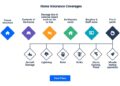
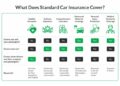
- Liability Coverage: This is the most basic type of coverage that helps pay for damages and injuries you cause to others in an accident.
- Collision Coverage: This coverage helps pay for damages to your vehicle in case of a collision with another vehicle or object.
- Comprehensive Coverage: This coverage protects your vehicle from non-collision incidents such as theft, vandalism, or natural disasters.
- Uninsured/Underinsured Motorist Coverage: This coverage helps pay for damages if you are in an accident with a driver who has insufficient or no insurance.
Comparing Basic and Comprehensive Coverage
- Basic coverage, such as liability coverage, is usually more affordable compared to comprehensive coverage, which offers broader protection.
- While basic coverage meets minimum legal requirements, comprehensive coverage can provide additional peace of mind by covering a wider range of risks.
- Choosing comprehensive coverage may result in higher premiums, but it can offer more extensive protection for your business vehicles.
Impact of Additional Coverage Options
- Adding additional coverage options, such as roadside assistance or rental reimbursement, can increase insurance costs but provide valuable benefits in case of emergencies.
- Consider your specific needs and risks when deciding whether to add extra coverage options to your policy.
Understanding Deductibles
- A deductible is the amount you agree to pay out of pocket before your insurance coverage kicks in.
- Choosing a higher deductible can lower your insurance premiums, but you will have to pay more in case of a claim.
- Conversely, a lower deductible means higher premiums but less out-of-pocket expenses when filing a claim.
Business Factors that Impact Insurance Costs
When it comes to commercial auto insurance costs, various factors related to the business itself play a significant role in determining the premiums. Understanding how these business factors can impact insurance costs is crucial for businesses looking to manage their expenses effectively.
Size of the Business
The size of a business can have a direct impact on commercial auto insurance costs. Larger businesses with more employees and vehicles may face higher premiums due to the increased risk exposure. Insurance companies often consider the size of the business when calculating premiums, as larger businesses typically have more complex operations and higher liability risks.
Number of Vehicles in the Fleet
The number of vehicles in a fleet is another key factor that influences premium rates. A larger fleet size usually results in higher insurance costs, as more vehicles mean more potential risks and liabilities. Businesses with multiple vehicles need to ensure proper management and maintenance of their fleet to minimize insurance expenses.
Nature of Business Operations
The nature of the business operations can also impact insurance costs. Certain industries or business activities may be considered high-risk by insurance providers, leading to higher premiums. Businesses involved in hazardous materials transportation, long-distance hauling, or other risky operations may face increased insurance costs due to the elevated level of risk associated with their activities.
Safety Measures and Risk Management Practices
Implementing effective safety measures and robust risk management practices can help lower insurance premiums for businesses. Insurance companies often offer discounts or incentives for businesses that demonstrate a commitment to safety and risk mitigation. By investing in driver training programs, vehicle maintenance, and safety protocols, businesses can reduce the likelihood of accidents and insurance claims, ultimately leading to lower insurance costs.
External Factors Affecting Commercial Auto Insurance Costs
Market trends and economic conditions, regulatory requirements, underwriting criteria, and claims history are external factors that can significantly impact commercial auto insurance costs.
Market Trends and Economic Conditions
Market trends and economic conditions play a crucial role in determining insurance rates. In times of economic uncertainty or high inflation, insurance companies may adjust their premiums to mitigate risks and maintain profitability.
Regulatory Requirements
Regulatory requirements set by government bodies can influence insurance costs. Compliance with specific regulations, such as minimum coverage limits or safety standards, may lead to higher or lower premiums for commercial auto insurance policies.
Insurance Provider's Underwriting Criteria
The insurance provider's underwriting criteria, including factors like the business's size, industry, and risk profile, can impact premium calculations. Companies with a higher risk of claims may face increased premiums based on the insurer's underwriting guidelines.
Impact of Claims History
A business's claims history is a critical factor in determining future insurance costs. Companies with a history of frequent or costly claims may experience higher premiums, as insurers consider past claims as an indicator of future risk.
Final Thoughts
In conclusion, Commercial Auto Insurance Cost Factors Explained offers a comprehensive look at the key aspects that impact insurance costs for businesses with commercial vehicles. By understanding these factors, businesses can make informed decisions to manage their insurance expenses effectively.
Top FAQs
How does the type of vehicle affect commercial auto insurance costs?
The type of vehicle, such as its make, model, and year, can impact insurance costs due to factors like repair costs and safety ratings.
What are some examples of additional coverage options for commercial auto insurance?
Additional coverage options may include roadside assistance, rental reimbursement, and coverage for goods or equipment carried in the vehicle.
How can safety measures help lower insurance premiums?
Implementing safety measures such as driver training programs and installing tracking devices can demonstrate lower risk to insurers, potentially leading to reduced premiums.