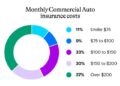

Delving into the realm of Cheap Auto Insurance Policies With Flexible Payment Options, this guide beckons readers with a wealth of information, ensuring a comprehensive and informative journey ahead.
In the following paragraphs, we will explore key features, payment options, factors affecting costs, and tips for finding the best deals in the realm of affordable auto insurance.
Overview of Cheap Auto Insurance Policies
When it comes to affordable auto insurance policies, there are key features that make them stand out. These policies are designed to provide adequate coverage at a lower cost, making them accessible to a wider range of customers.
One of the crucial aspects of cheap auto insurance policies is the flexibility in payment options they offer. This allows customers to choose payment schedules that align with their budget and financial situation, making it easier to manage insurance premiums without straining their finances.
Importance of Flexible Payment Options
- Allows customers to spread out the cost of insurance over time, reducing the financial burden of paying a large sum upfront.
- Enables individuals with varying income levels to afford insurance coverage by offering payment plans that suit their financial capabilities.
- Helps customers avoid lapses in coverage by providing payment options that fit their budget and ensure continuous protection.
Benefits of Cheap Auto Insurance Policies with Flexible Payment Options
- Increased affordability: Customers can access essential insurance coverage at a lower cost, making it more affordable for a wider range of individuals.
- Financial flexibility: The ability to choose payment schedules that suit one's budget allows for better financial planning and management.
- Convenience: Flexible payment options make it easier for customers to stay current on their insurance premiums without facing financial strain.
Types of Flexible Payment Options

When it comes to auto insurance, having flexible payment options can make it easier for policyholders to manage their budget. Let's explore the various types of payment plans available:
Monthly Payment Plans
Monthly payment plans allow policyholders to pay their auto insurance premiums in smaller, more manageable installments each month. This can be beneficial for those who prefer spreading out their expenses over time.
Quarterly or Semi-Annual Payment Plans
For those who prefer making fewer payments throughout the year, quarterly or semi-annual payment plans are a great option. This can help save on potential processing fees associated with monthly payments.
Annual Payment Plans
Annual payment plans require policyholders to pay their entire auto insurance premium upfront for the entire year. While this may require a larger sum initially, it can often lead to discounts and savings in the long run.
Flexible Due Dates
Some insurance companies offer flexible due dates for payments, allowing policyholders to choose a date that aligns better with their budget cycles. This can help avoid missed payments and potential late fees.
Automatic Payment Options
Automatic payment options can simplify the payment process by automatically deducting the premium from a policyholder's bank account or credit card on a set date each month. This ensures payments are made on time without needing manual intervention.
Factors Affecting Auto Insurance Costs
Auto insurance costs can vary widely based on several factors that insurance companies take into consideration when determining premiums. Understanding these factors can help individuals make informed decisions to obtain affordable coverage without sacrificing protection.
Driving Record
- Having a clean driving record with no accidents or traffic violations can result in lower insurance premiums.
- Accidents, tickets, and DUIs can significantly increase insurance costs due to the higher risk associated with these incidents.
Vehicle Type and Age
- Expensive or high-performance cars typically have higher insurance premiums due to the cost of repairs and replacement.
- Newer vehicles may also cost more to insure because of their higher value.
Location
- Living in an area with high crime rates or a high number of accidents can lead to higher insurance premiums.
- Urban areas generally have higher insurance costs compared to rural areas due to increased traffic and theft risks.
Credit Score
- Insurance companies may use credit scores to determine premiums, as individuals with lower credit scores are considered higher risk.
- Improving credit scores over time can help lower insurance costs.
Coverage Limits and Deductibles
- Opting for higher coverage limits and lower deductibles can result in higher premiums, while choosing lower coverage limits and higher deductibles can lower costs.
- It's essential to strike a balance between adequate coverage and affordability.
Discounts and Bundling
- Insurance companies often offer discounts for factors such as safe driving, multiple policies, and anti-theft devices.
- Bundling auto insurance with other types of insurance, such as home or renters insurance, can lead to additional savings.
Maintain a Good Driving Record
- Drive safely and obey traffic laws to avoid accidents and violations that can increase insurance costs.
- Consider taking defensive driving courses to improve driving skills and potentially qualify for discounts.
Shop Around and Compare Quotes
- Obtain quotes from multiple insurance companies to compare prices and coverage options.
- Review policies carefully to ensure they meet your needs and budget before making a decision.
Finding the Best Deal
Finding affordable auto insurance with flexible payment options can seem like a daunting task, but with the right strategies, you can secure a great deal that fits your budget and needs. It's important to compare rates from different insurance providers to ensure you're getting the best value for your money.
Additionally, reading the fine print is crucial to fully understand the coverage and payment terms of the policy you're considering.
Comparing Rates
- Request quotes from multiple insurance companies to compare rates.
- Consider factors such as coverage limits, deductibles, and discounts offered.
- Look for online tools that can help you compare rates efficiently.
Reading the Fine Print
- Pay attention to details such as what is covered and what is excluded in the policy.
- Understand the payment schedule and any fees associated with late payments.
- Clarify any questions you have with the insurance provider before committing to a policy.
Closing Summary
As we conclude our discussion on Cheap Auto Insurance Policies With Flexible Payment Options, we hope this guide has shed light on the intricacies of insurance choices and empowered you to make informed decisions.
Questions and Answers
What are the key features of affordable auto insurance policies?
Key features include coverage options, deductibles, and limits that cater to individual needs.
How do varied payment options cater to different budget needs?
Varied payment options such as monthly, quarterly, or annual plans provide flexibility for customers based on their financial situations.
What factors influence the cost of auto insurance?
Factors include age, driving history, type of vehicle, and location, among others.
How can one find affordable auto insurance with flexible payment options?
Researching and comparing rates from different providers, as well as understanding coverage details, are key strategies.